Why Humans Feel Watched Even When No One Is There
Almost everyone knows this feeling.
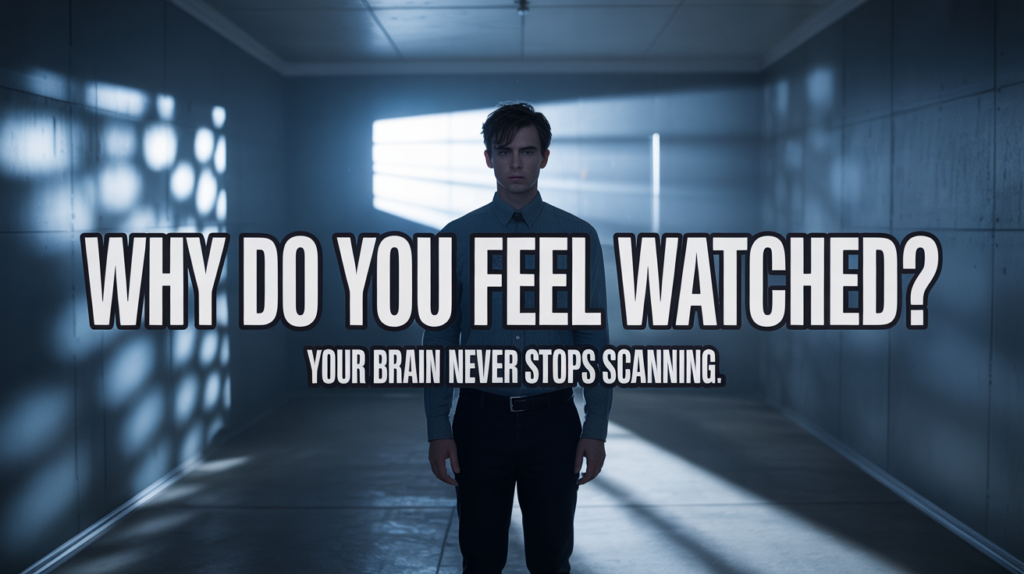
You are alone. The room is quiet. Nothing is moving. Yet something in your body says you are not alone. Your heart rate changes slightly. Your attention sharpens. You might even turn your head without knowing why.
This sensation is not rare. It is not random. And it is not your imagination.
The reason humans feel watched even when no one is there comes from how the brain evolved to keep you alive long before modern life existed. What feels creepy today was once a survival advantage that protected your ancestors.
Understanding this feeling starts with how your brain treats uncertainty.
Your Brain Is Always Scanning for Threats
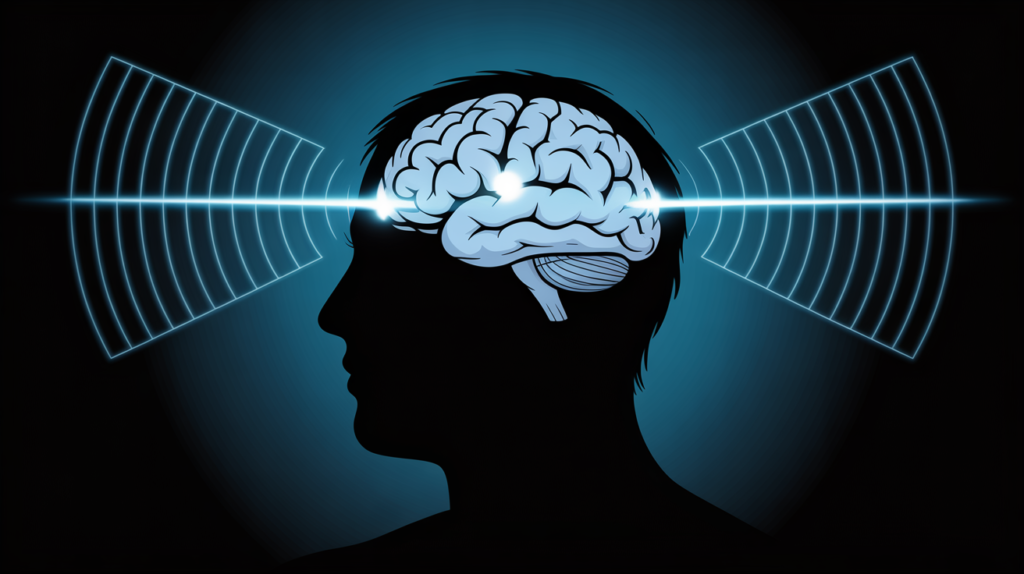
Your brain never fully shuts off its threat detection system.
Even when you feel relaxed, your subconscious mind is constantly scanning your environment for patterns, movement, and anything that feels out of place. This happens without your permission and without your awareness.
Your conscious mind thinks you are resting.
Your subconscious mind is still working.
This constant scanning is powered by the same electrical activity that keeps your thoughts, memories, and instincts running. If you want a deeper look at how the brain actually operates beneath awareness, the idea explored in how the brain runs on electricity and why it matters connects directly to this process.
When your brain detects incomplete information, it does not wait for certainty. It makes a fast prediction instead.
That prediction is what creates the watched feeling.
Why Evolution Never Turned This Feeling Off
From an evolutionary standpoint, being wrong was safer than being slow.
If early humans sensed a presence and were wrong, nothing happened.
If they failed to sense a presence and were wrong, they did not survive.
Because of that imbalance, the brain evolved to favor false alarms over missed threats. This means your brain is designed to assume something is watching you rather than risk ignoring danger.
Over time, this created a built-in instinct that still exists today.
- Your brain notices missing information
- It fills in the gap with a possible threat
- Your body reacts before logic steps in
This same survival logic appears in other basic human systems. You can see it clearly in how the body responds to fire, oxygen, and danger explained in what really happens when fire can’t breathe, where natural processes prioritize safety over efficiency.
The watched feeling is not paranoia. It is a survival reflex operating in a modern world that no longer needs it as often.
Peripheral Vision and the Brain’s Guessing Game
Your peripheral vision plays a major role in this sensation.
Peripheral vision is not detailed. It is designed to detect motion and contrast, not clear shapes. When something changes slightly in your surroundings, your brain receives incomplete visual data.
Instead of waiting for clarity, the brain guesses.
Shadows shift. Light flickers. Objects sit just outside your focus. Your brain tries to explain what it cannot fully see, and the easiest explanation is presence.
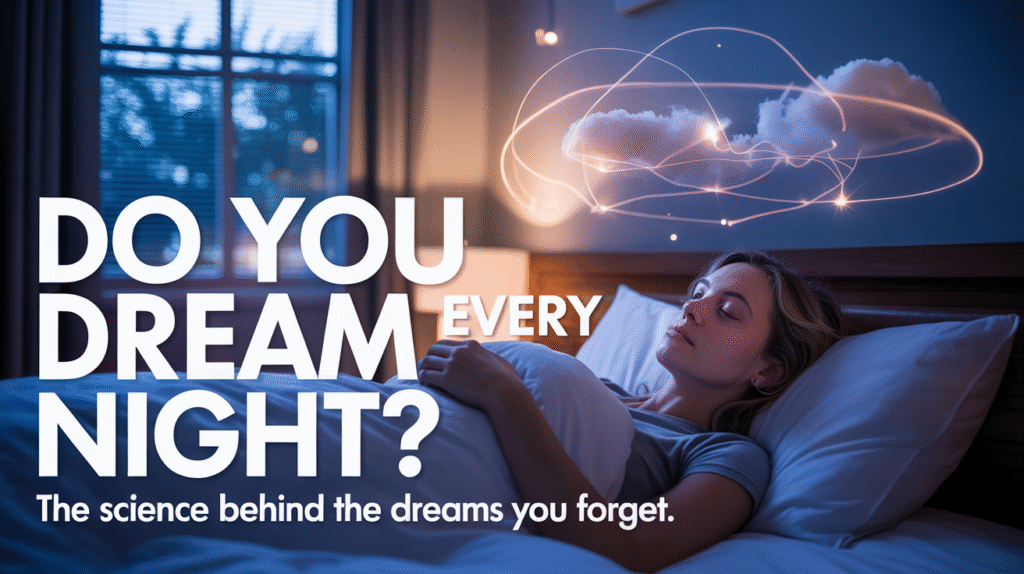
This same process shows up in other perception glitches where the brain confidently fills in missing information. A great example of this kind of mental shortcut is explored in thinking you didn’t dream and then learning what really happened, where memory and perception quietly rewrite reality without you noticing.
When your environment is quiet and still, your brain has less information to work with. That actually makes the watched feeling stronger, not weaker.
Less data forces more guessing.

Why This Feeling Gets Stronger at Night
The watched feeling almost always gets stronger at night, and there is a simple reason why.
After dark, your visual system loses detail. Shadows stretch. Contrast increases. Your brain receives less reliable information from your eyes, so it compensates by leaning harder on prediction.
When real data drops, guessing increases.
Silence also plays a role. Fewer background sounds mean fewer reference points. Your brain expects input, and when it does not get enough, it starts inventing explanations to stay alert.
This gap between what you perceive and what is actually happening shows up in other experiences where the mind quietly fills in missing pieces. You can see that clearly in thinking you didn’t dream and then learning what really happened, where perception reshapes reality without you realizing it.

Is This a Sixth Sense or Something Else?
Many people describe this feeling as a sixth sense, intuition, or gut instinct. While it feels mysterious, the explanation is far more grounded.
Your brain is not sensing energy or predicting the future. It is combining memory, environment, and pattern recognition at high speed. This happens below conscious awareness, which is why it feels sudden and unexplained.
What we call intuition is usually the brain recognizing patterns faster than logic can catch up.
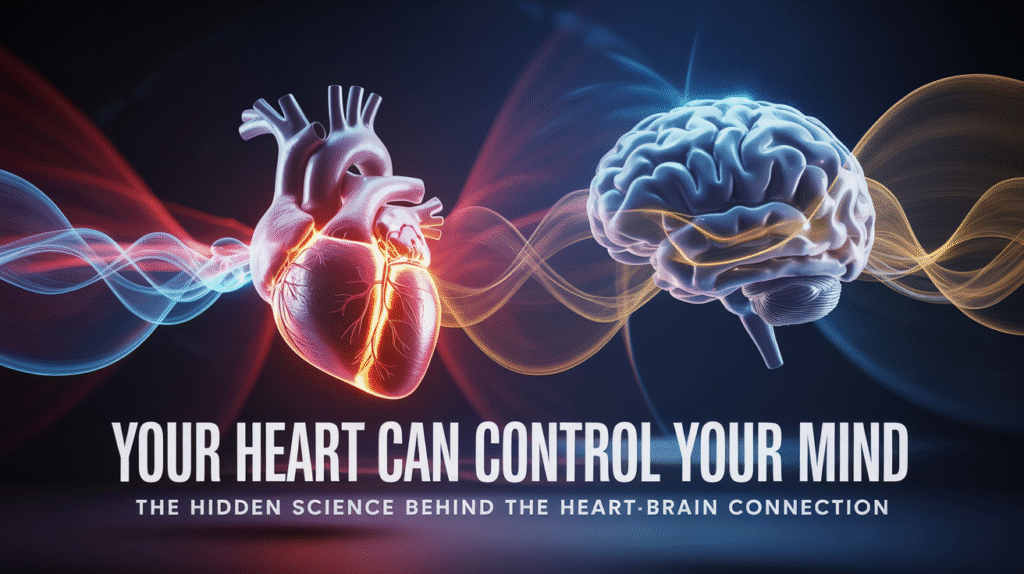
Your body is involved too. Heart rate, breathing, and muscle tension all shift before conscious thought kicks in. That physical connection between the heart and brain is explored in how your heart talks to your brain and here’s the proof, which fits directly into how instinct actually works.
So no, it is not supernatural. It is biology doing its job.
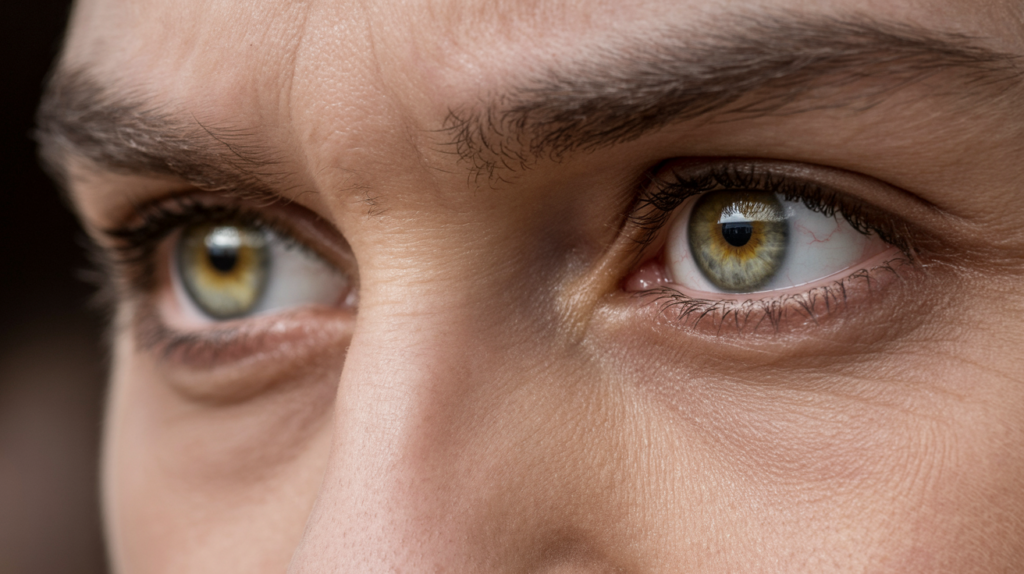
Why Modern Life Makes the Watched Feeling Worse
Modern life quietly makes this instinct stronger.
Phones, constant stimulation, and artificial lighting train the brain to expect nonstop input. When that input suddenly disappears, like when you are alone in silence, the brain reacts harder.
• Isolation increases awareness
• Silence removes reference points
• Stillness forces prediction
Long stretches of unconscious routine also dull perception during the day, which makes sudden awareness spikes feel more intense at night. This mirrors how much of life passes unnoticed until something snaps attention back on, similar to what is explored in the shocking truth about how much of your life you lose behind the wheel.
Your brain is not malfunctioning. It is reacting to contrast.
When This Feeling Is Useful and When It Isn’t
Sometimes the watched feeling deserves attention. Sometimes it does not.
Your brain is good at detecting subtle changes, but it also produces false alarms. Learning the difference matters.
Helpful signals usually come with:
- Consistent environmental cues
- Clear changes in sound or movement
- Repeated physical responses
False alarms usually come with:
- Silence and darkness
- Fatigue or stress
- No supporting evidence
When curiosity turns into confusion, many readers want clear answers without speculation. That is why common questions are explained in one place through the FactFuel FAQ section so science stays grounded and accessible.
Why This Feeling Will Never Fully Go Away
The feeling of being watched is not a flaw in the human brain. It is a feature.
Your brain evolved to stay slightly ahead of reality, even if that meant being wrong sometimes. In the wild, missing a threat once could end everything. Being cautious a hundred times never did.
That survival math never changed.
So even in a safe room, in a quiet house, or scrolling your phone late at night, your brain keeps running the same ancient software. It scans. It predicts. It fills in gaps before you consciously notice they exist.
This is the same reason humans react to shadows, sudden silence, or unexplained stillness. The brain hates incomplete information and will always try to finish the picture.
That instinct shows up everywhere in perception, from memory to awareness to how we experience reality itself. FactFuel explores this pattern again and again across curiosity-driven topics like how the brain quietly rewrites reality when information is missing and how the brain actually runs on electrical signals most people never think about.
Once you understand that, the watched feeling becomes less scary and more fascinating.

The Takeaway Most People Miss
The key insight is simple.
Feeling watched does not mean something is there.
It means your brain is doing its job.
Your mind would rather alert you for nothing than stay quiet when something might matter. That tradeoff kept humans alive long before modern comfort existed.
Today, that same instinct still runs quietly in the background, reminding you that awareness is never truly off. It is just waiting.
If this kind of everyday science and perception-based curiosity is what keeps you reading, you can always browse more deep dives across all FactFuel facts or see the latest discoveries featured on the FactFuel homepage